
Helping Historic Congregations
Protect What They’ve Built.
A conversation for pastors, boards, and religious leaders thinking about the future of their building, their mission, and the people they serve.
Your building carries more than your congregation.
To the pastors, boards, and trustees who carry these buildings,
Many of New York's most beautiful churches and religious institutions carry a familiar weight: a shrinking congregation, a beloved building that costs more to maintain every year, and a roof, facade, or foundation that no operating budget was ever built to cover.
At the same time, that same building often sits on far more land, or far more unused space, than most leadership boards realize. Under New York City's zoning and landmarks rules, that unused space can sometimes be worth a great deal, and unlocking it doesn't have to mean selling your home or taking on debt your congregation can't carry. We've spent years working directly alongside congregations and religious institutions to think this through, carefully, patiently, and with real respect for what the building means. This is a short look at how we've actually done it.
“We don't just structure the deal and hand it off. We stay through construction, because the building was never just a transaction to us.”
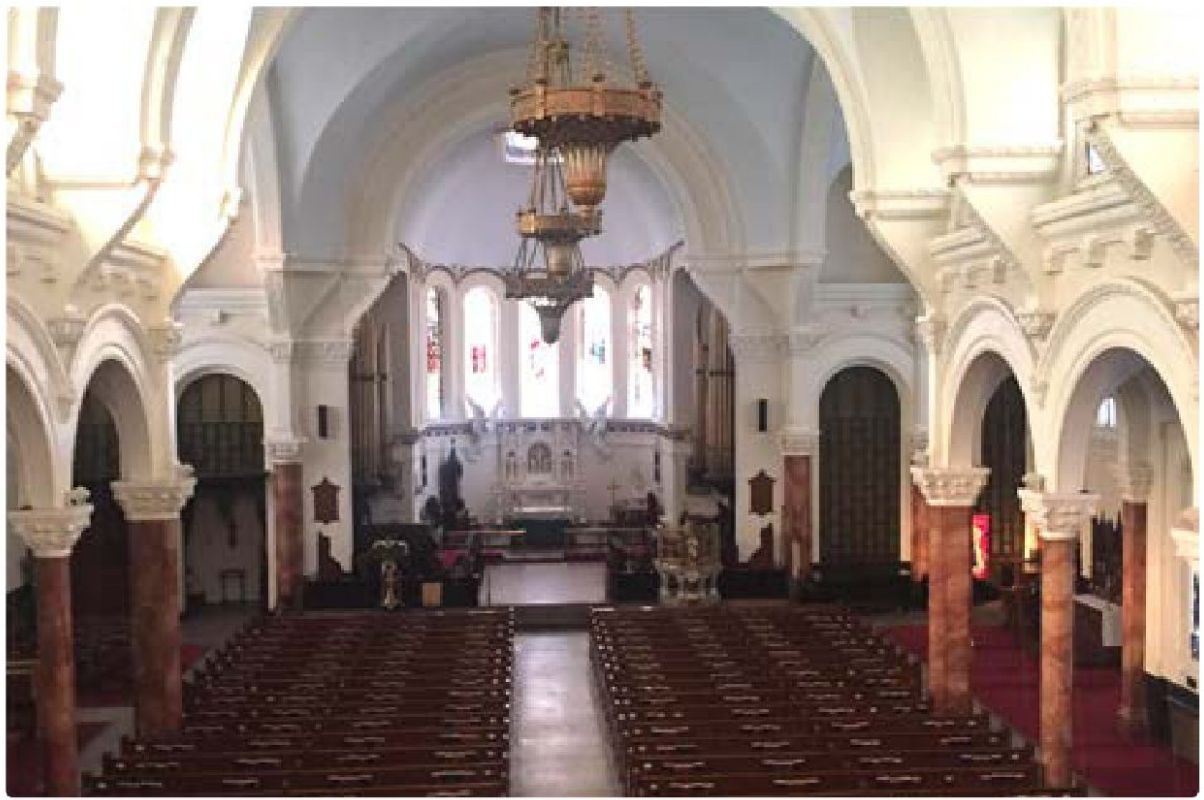
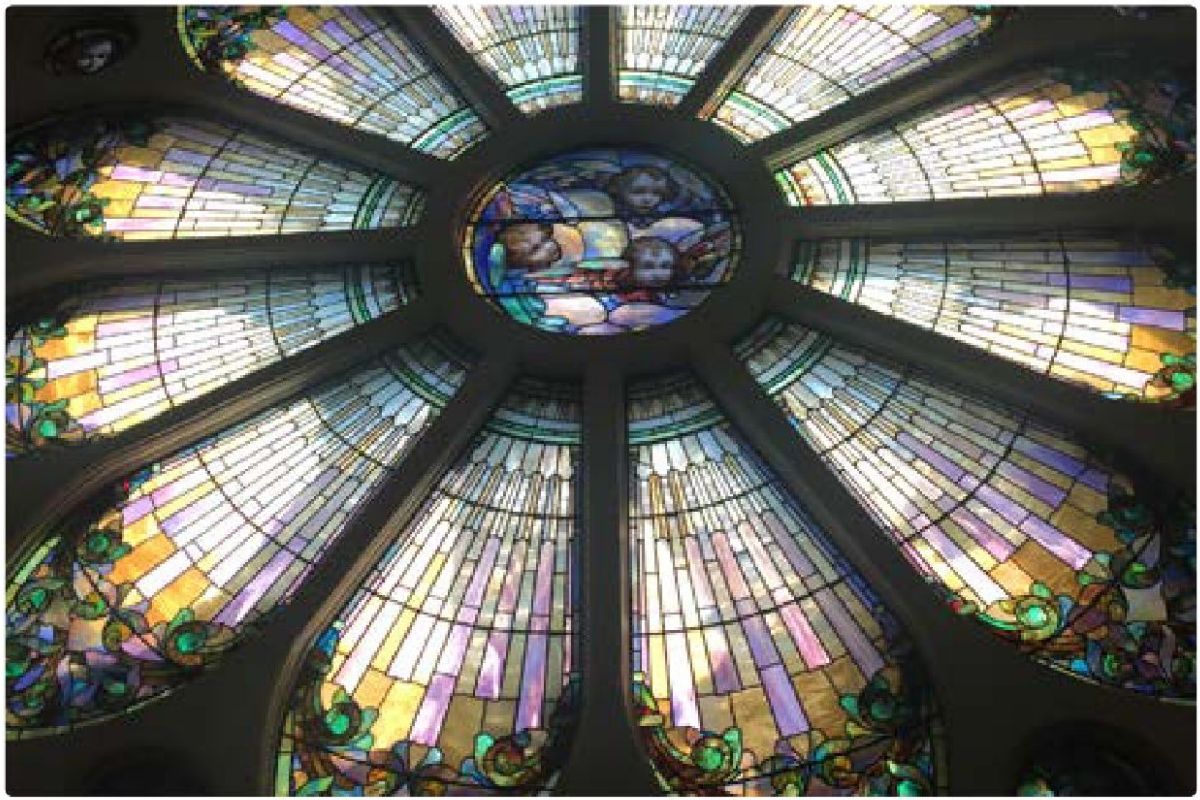
Church of St. Luke and St. Matthew.
- Location
- — Clinton Hill, Brooklyn
- Built
- — 1891 · Romanesque Revival
- Status
- — Landmarked, Episcopal parish
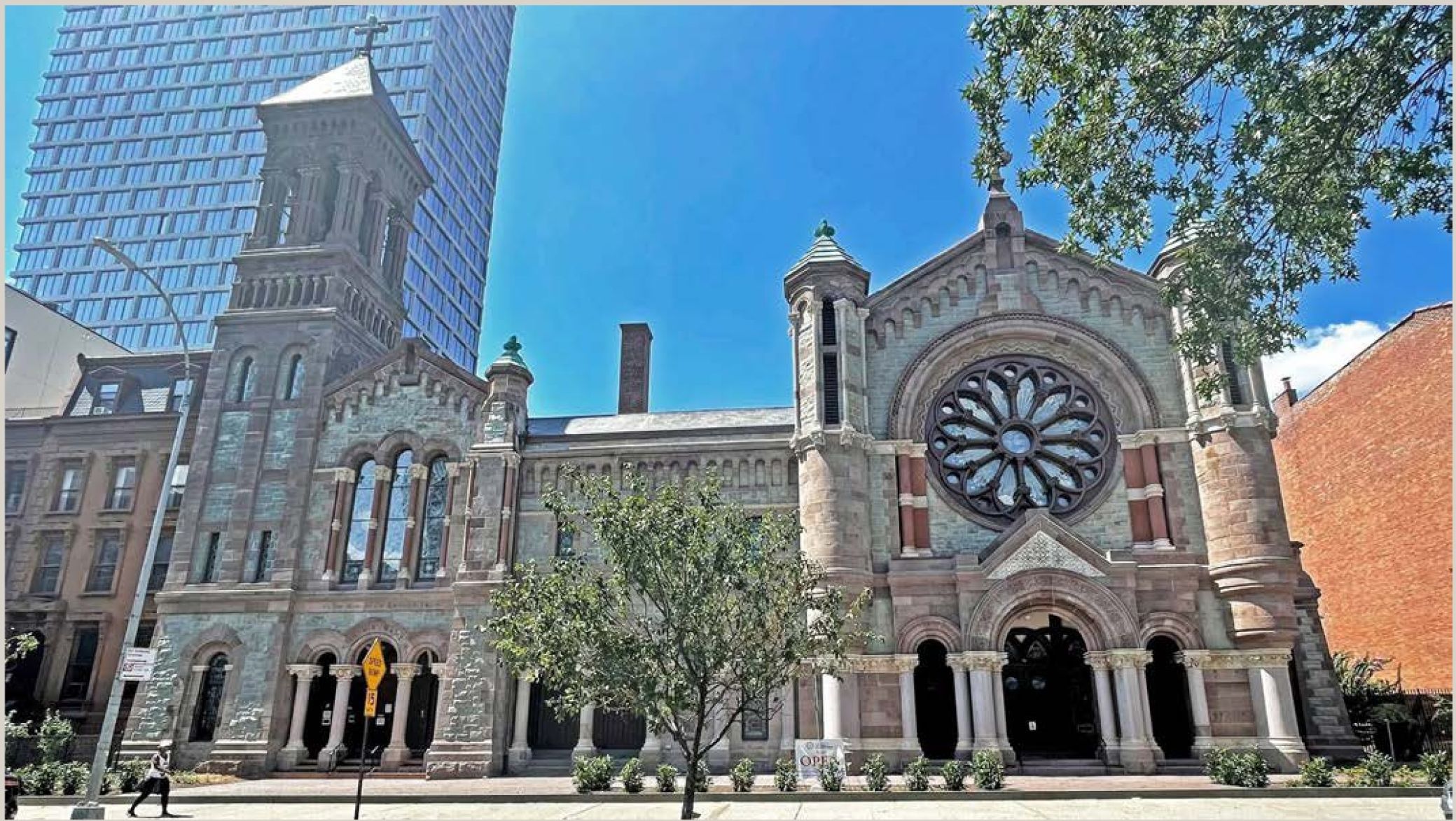
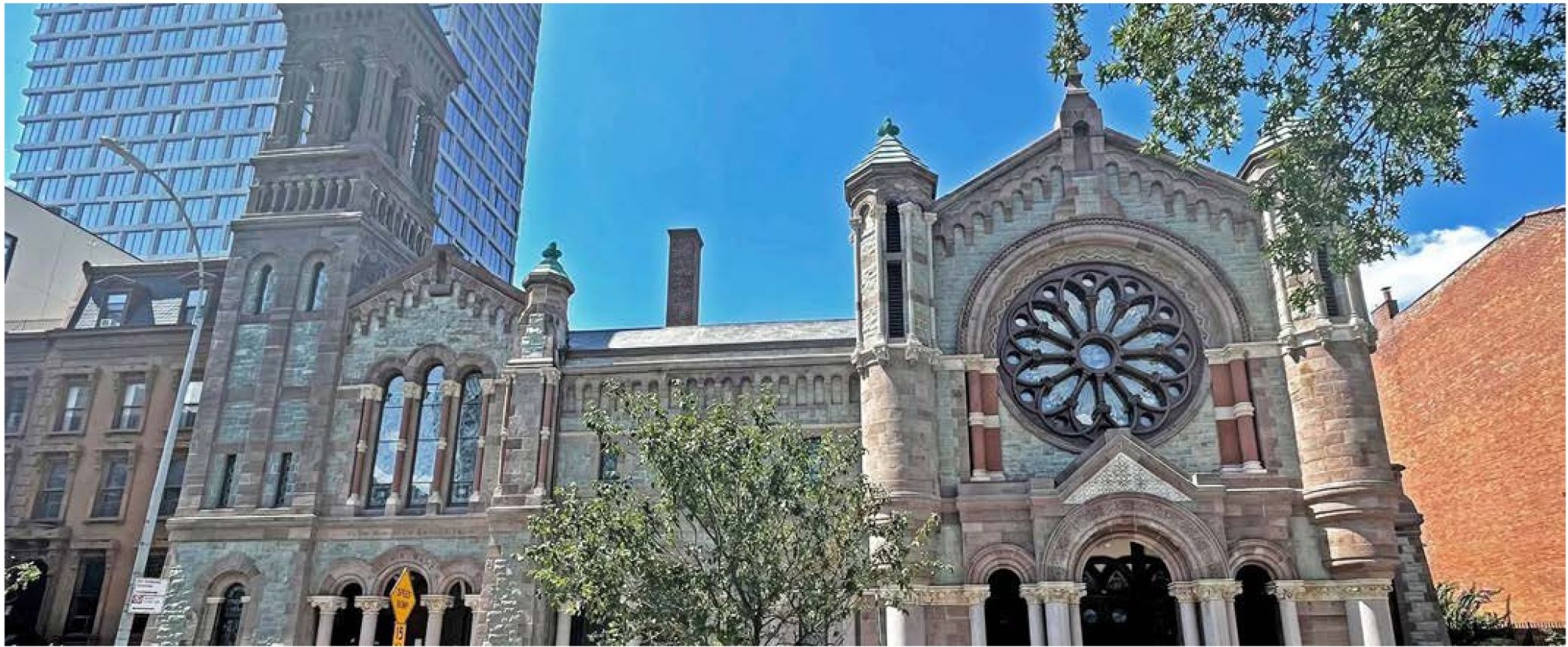
This 130-year-old Clinton Hill landmark underwent a full exterior restoration under our direct oversight — brownstone and stonework repair, belfry work, window and entryway restoration — delivered on time and on budget. In 2022, the project was named an Excellence in Historic Preservation Award winner by the Preservation League of New York State.
We worked directly with the congregation and the NYC Landmarks Preservation Commission to structure a transfer of the church's unused development rights to a neighboring site, funding the full restoration at no cost to the congregation. The result, pictured below: a fully restored sanctuary standing beside the high-rise development that made it possible.
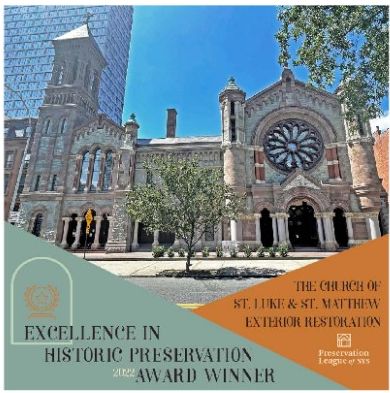
2022 Excellence in Historic Preservation Award — Preservation League of New York State.
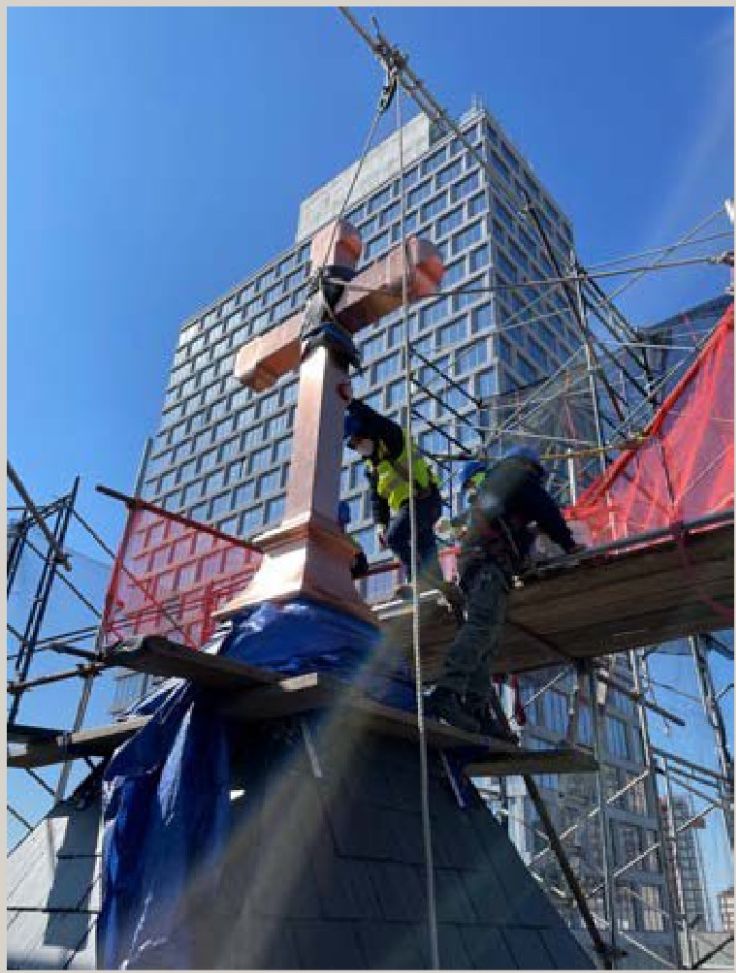
Setting the cross back in place.
Restoration work reached its most visible milestone with the reinstallation of the church's copper cross — a moment that captured what this project was really about: preserving a 130-year-old landmark precisely as the neighborhood around it changed.
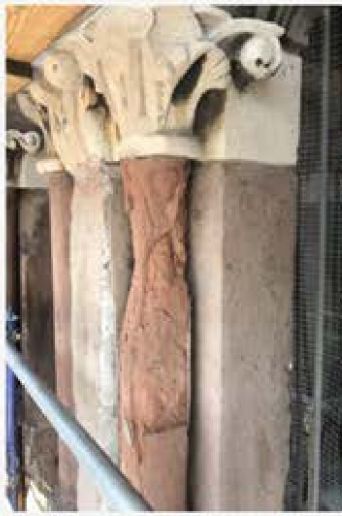
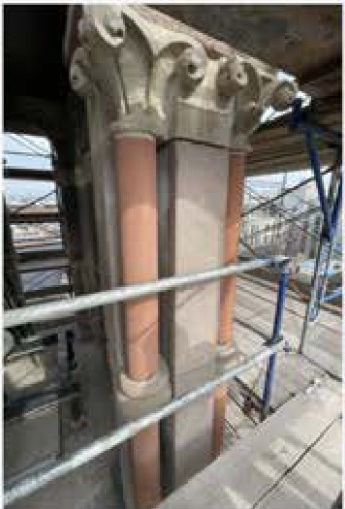
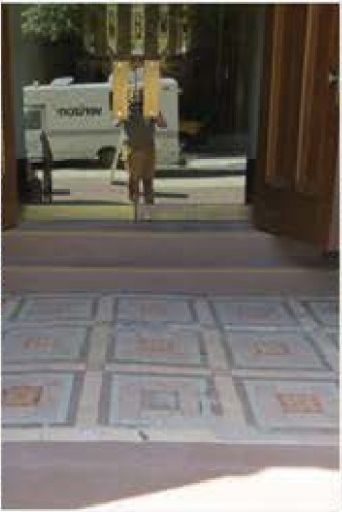
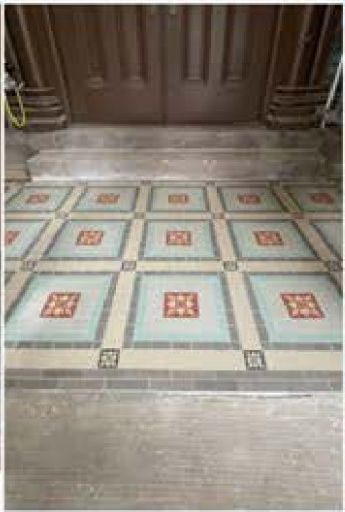
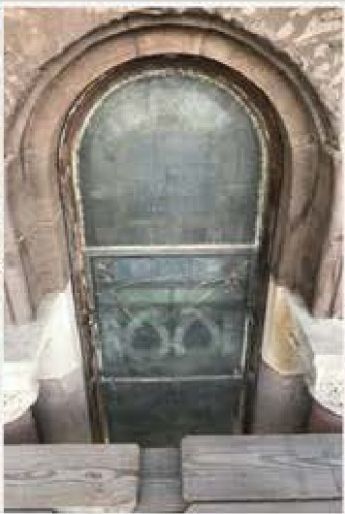
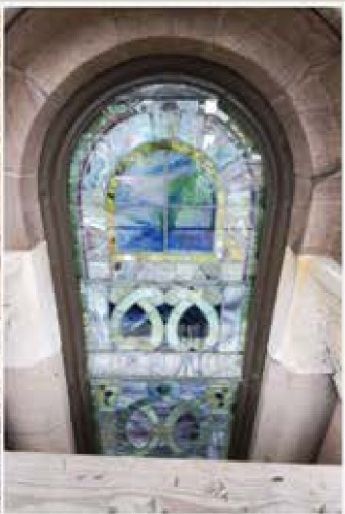
Before and after images, from left: brownstone colonettes; encaustic tile flooring in the entryway; stained glass window.
- Short video — youtube.com/watch?v=URSZlE24e_U
- Preservation League feature — preservenys.org
- 2022 award announcement — preservenys.org
Real estate stewardship, at portfolio scale.
Individual parishes come to us one building at a time. Dioceses, provinces, and religious orders come to us with something larger: a real estate portfolio spanning dozens of properties, each with its own condition, its own zoning envelope, and its own history — and a real estate or finance committee that needs a clear, defensible view across all of it before it can act on any one.
Portfolio-wide entitlement review.
We assess unused development rights, zoning capacity, and landmarks exposure across an entire portfolio at once, so your committee can prioritize which sites merit action first.
Governance-fluent structuring.
Diocesan consent processes, provincial approvals, and New York State Supreme Court review of church-property transactions are procedural facts we plan around from day one, not obstacles discovered midway.
Capital structuring & risk allocation.
Air-rights transfers, ground leases, fee development, and joint structures — each is modeled against your institution's risk tolerance and long-term stewardship obligations, not just near-term proceeds.
Confidential, committee-ready reporting.
Findings are delivered in a form your real estate or finance committee can act on directly — clear valuations, comparable transactions, and a recommended sequence, under a confidentiality agreement from the outset.
“A single parish is a decision. A diocesan portfolio is a discipline — it requires a consistent framework applied across every property, not a series of one-off deals.”
Hebron Seventh-day Adventist School.
- Location
- — Crown Heights, Brooklyn
- Built
- — 1889 · Romanesque / Gothic Revival
- Partner
- — Northeastern Conference of Seventh-day Adventists
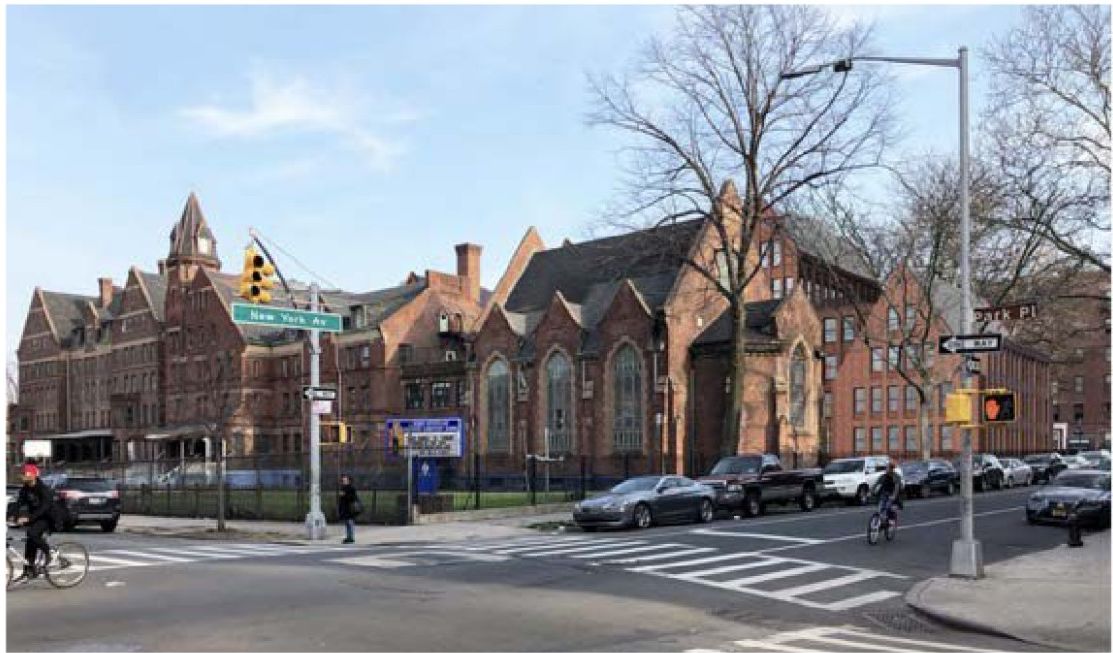
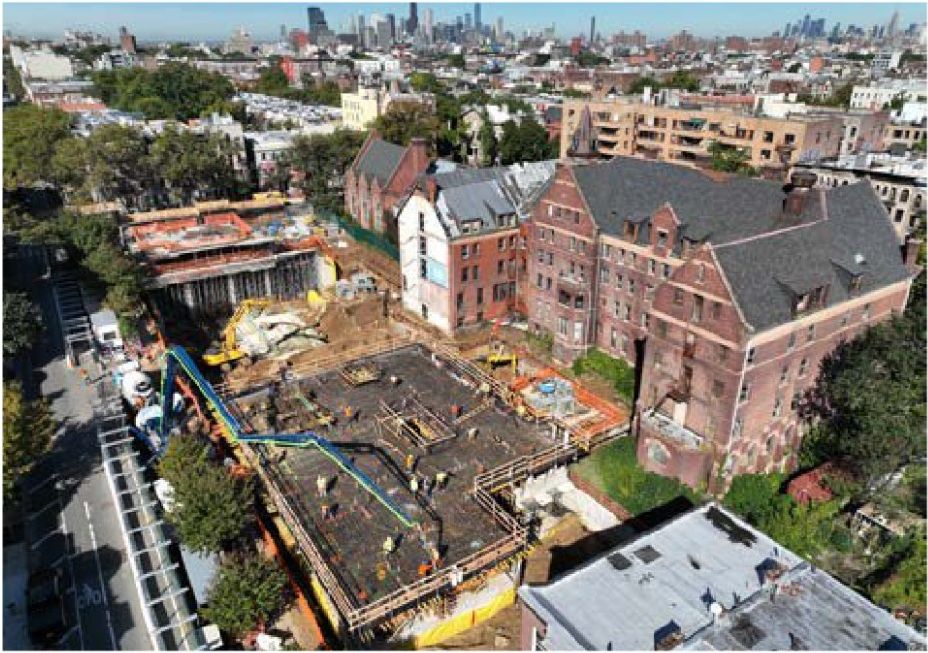
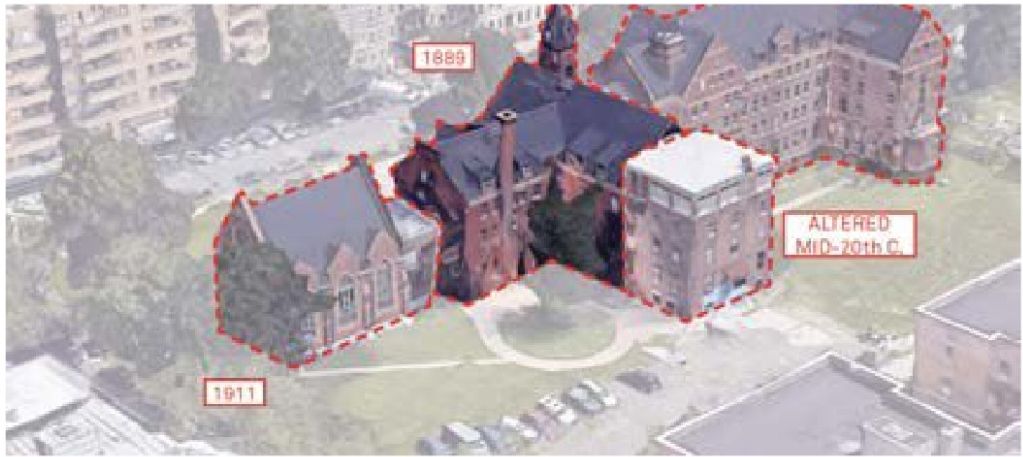
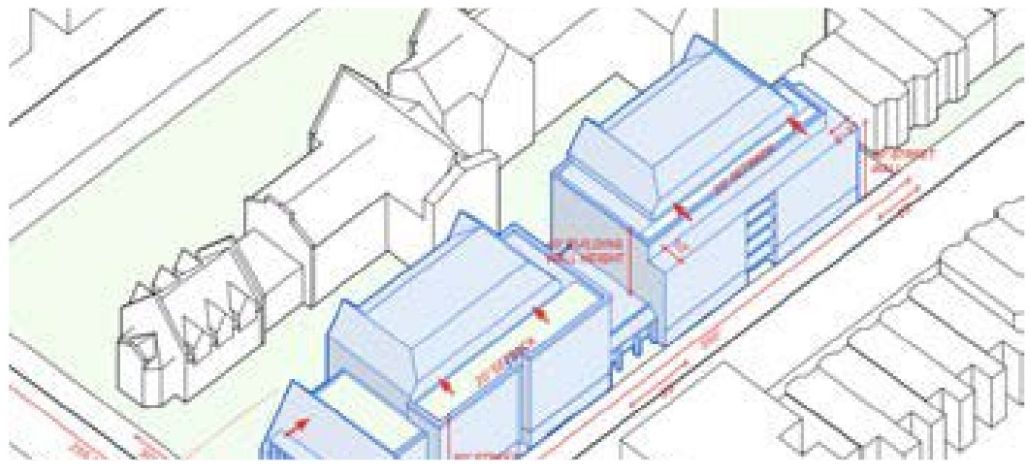
Design and zoning documentation prepared for the public land-use review process.
Not every one of these projects is simple, and we think congregations deserve to hear that plainly. The Northeastern Conference of Seventh-day Adventists came to us with a 130-year-old building in real distress. Their school had been vacated for safety reasons, and there was no clear way to fund the repairs needed to bring students back.
This one took years. It went through a full public land-use process, multiple rounds of design revision, and real community debate, the kind of scrutiny that comes with a historic district. We stayed with it through every round. The result: essential repairs to the historic building, funded by a portion of underused land on the Conference's own site, and a school that reopened its doors.
Recent work across entitlements, restoration, and construction.
We're often brought in by owners and institutions already weighing an offer, or working through a restoration or zoning question on their own. A sample of recent work our team has advised on and executed directly.
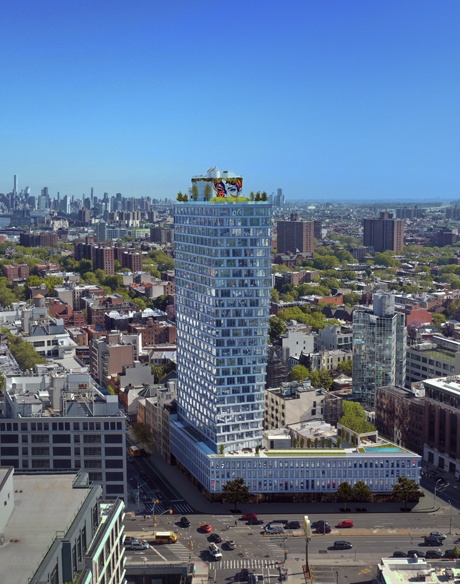
The Axel, Brooklyn
A 284-unit ground-up rental delivered through ULURP and a ZR 74-711 special permit, which allowed the transfer of unused development rights from a nearby landmarked church. That transfer funded the church's own restoration in full.
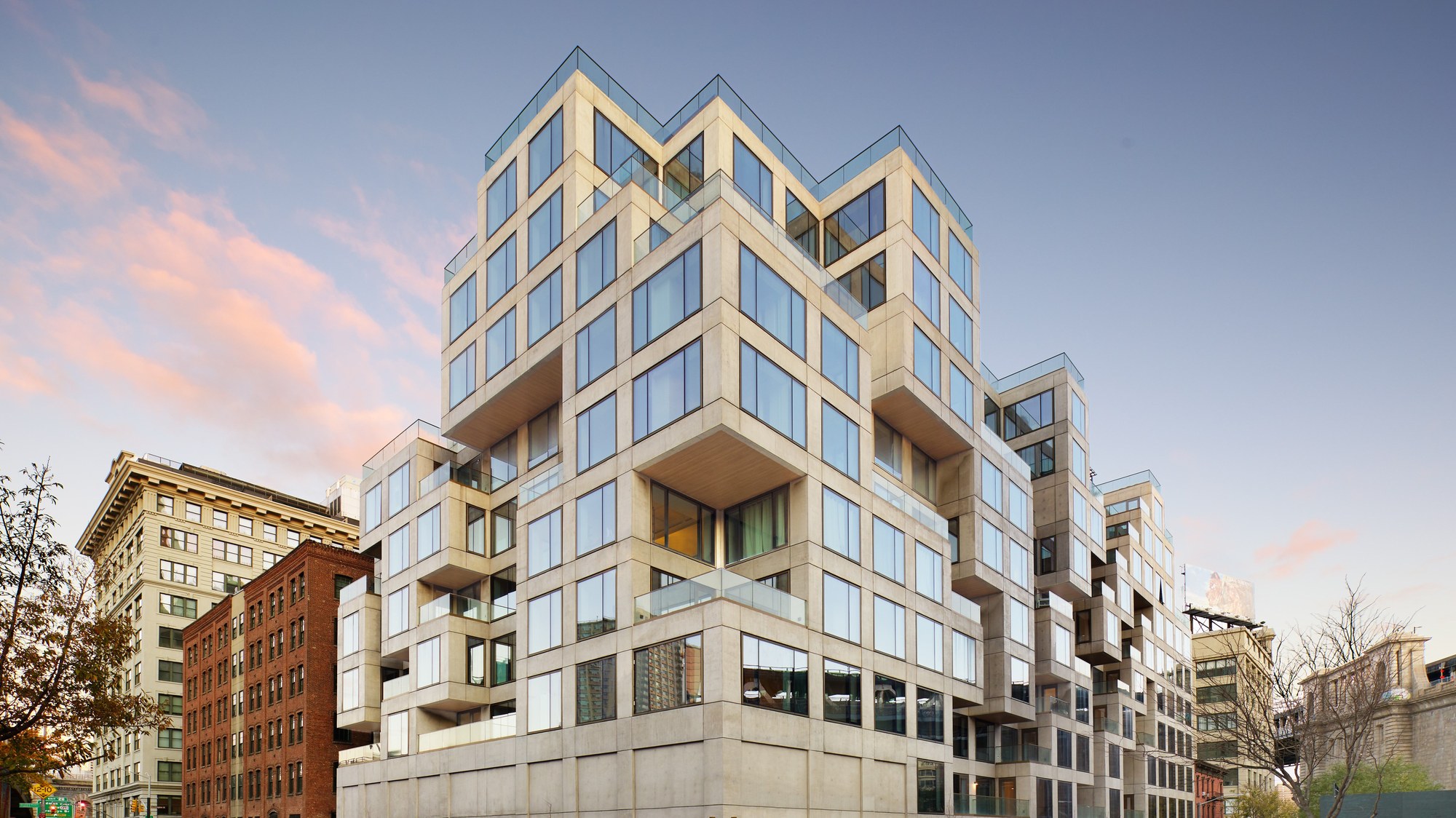
98 Front, Brooklyn
Acquired directly from a religious organization, this site became a 165-unit condominium, giving the institution a clean path to realize its property's value.
Mason Gray, Brooklyn
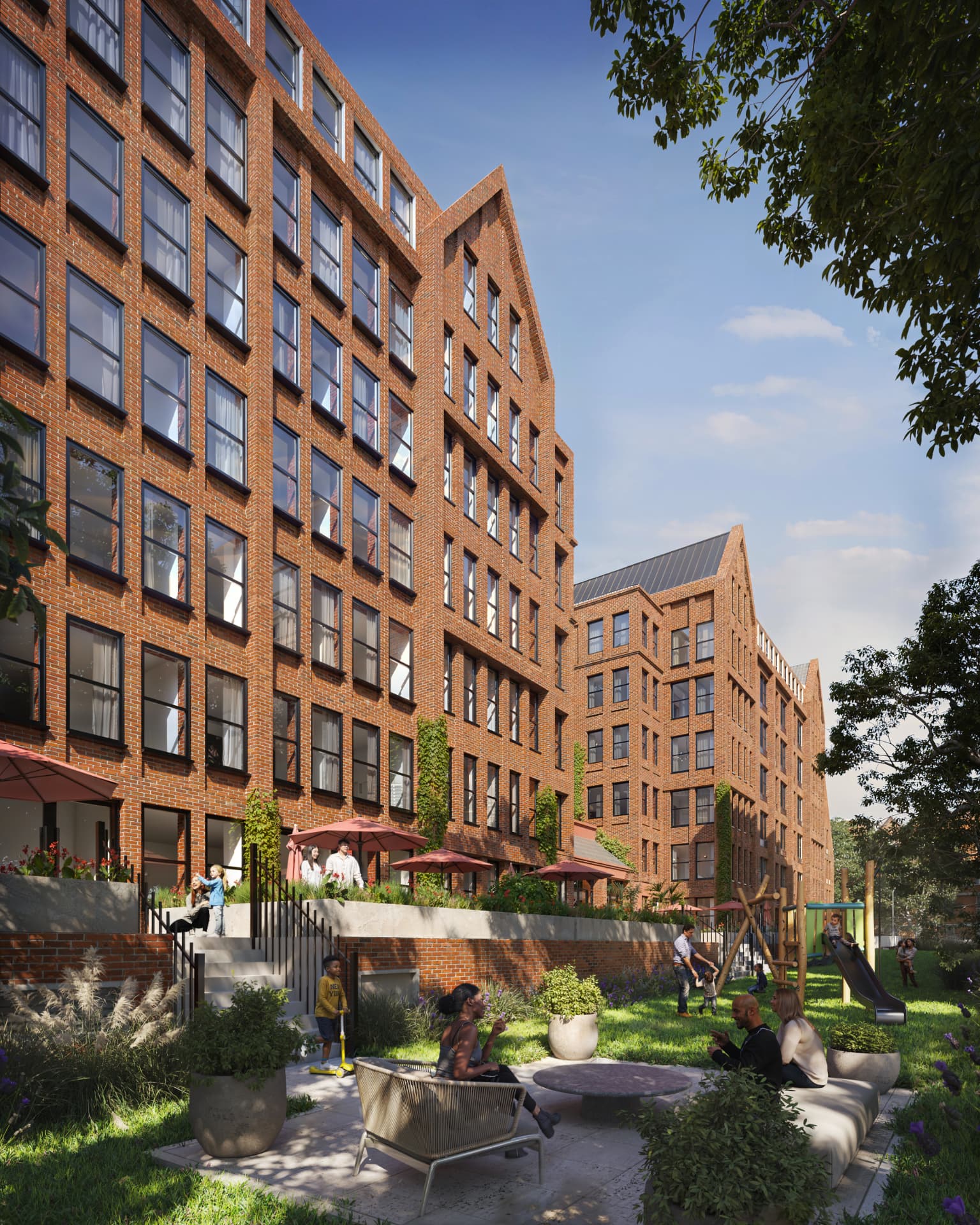
A ground-up 158-unit building on land subdivided from an adjacent church and community facility, with new space built in for the church itself — carried through extensive landmark and community review in a historic district.
906 Prospect Place, Brooklyn
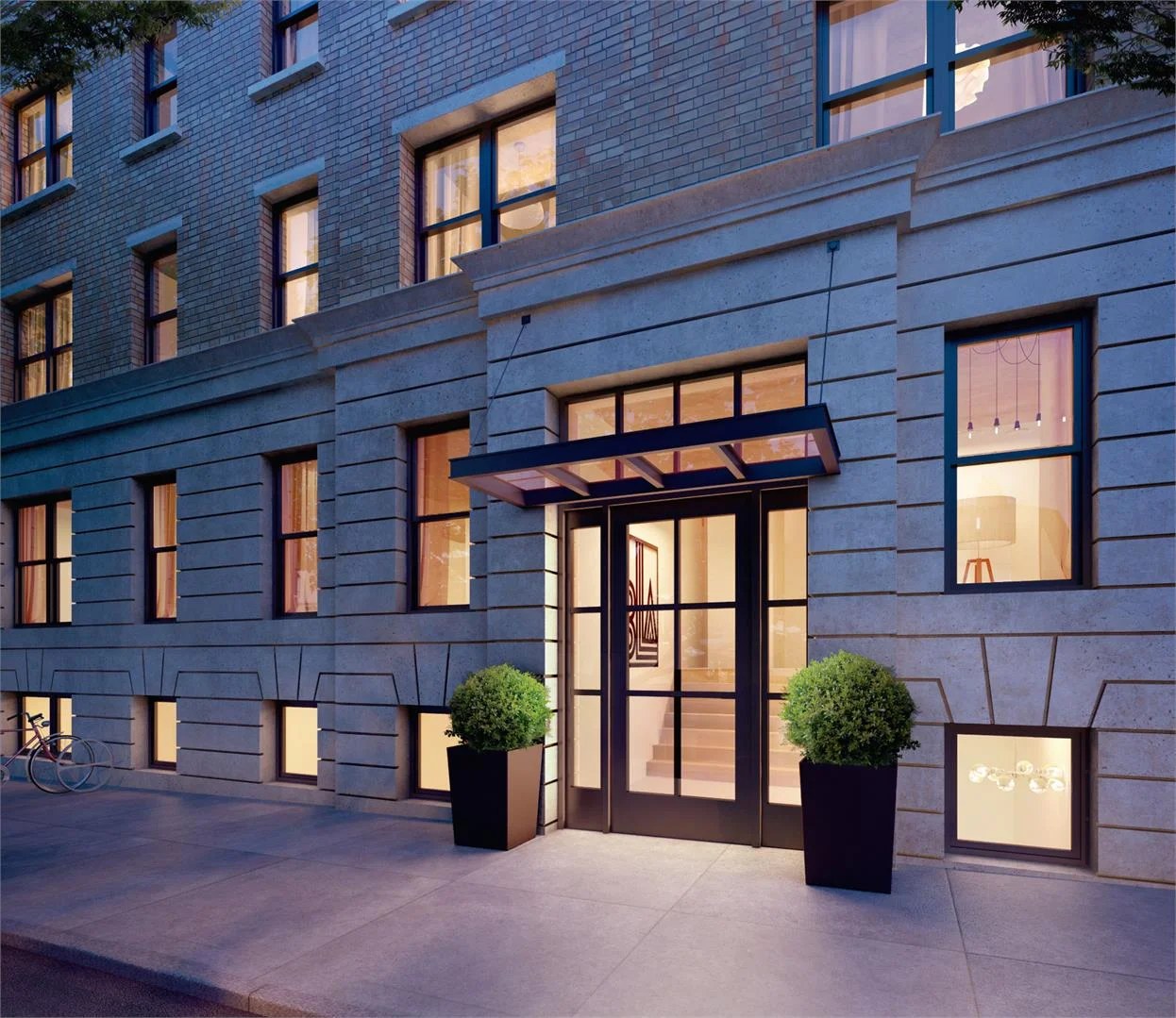
A 22-unit condominium conversion carried through a full landmarks approval process and Community District review in the Crown Heights North Historic District.
Not every project we're involved in ends in a transaction we lead. Just as often, we're a second set of eyes: helping a board evaluate an offer they've already received, or think through a restoration project on their own terms.
What we help your board think through.
1. What your building is really sitting on.
Most congregations don't realize how much unused space or value is tied up in their property, or that it can often be unlocked without changing the building you worship in.
2. What your specific approval process actually requires.
A diocese, a board of trustees, and a congregational vote all involve different steps, and we've been through all three.
3. How to protect what makes you exempt.
We help structure any transaction so your tax-exempt status and your mission stay protected.
4. Who is actually going to do the work.
We don't just structure the deal and hand it off. We restore the buildings ourselves, and we stay with the project through construction, not just approval.
5. How long it really takes, and what it really costs.
We'll tell you the truth about timeline and process up front, including when it's a heavy lift, so your board can plan with clear eyes.
6. What to do if someone's already made you an offer.
We're glad to look it over, help your board understand what's fair, and help structure the transaction so your congregation's interests come first — with no obligation to hire us for anything more.
“If your board is starting to ask what your building could do for your ministry's future, we would welcome the chance to sit down, hear your story, and share ours.”
A short reference on how this works.
Entitlements.
Any governmental approval a property needs before a change in use, bulk, or form can happen — a special permit, a variance, a landmarks approval, a rezoning. When a deal is “entitled,” every discretionary approval it needs has already been secured.
Air rights & development rights transfers.
The mechanism for moving unused floor area from a site that can't use its full zoning envelope to a site nearby that can — the tool behind most church restoration funding.
ULURP.
The City's mandatory public review for zoning changes and certain special permits — City Planning certification, Community Board and Borough President review, City Planning Commission vote, and City Council vote. Typically six to nine months uncontested; well over a year if contested.
LPC review.
Any exterior work on a landmark or a building in a historic district needs Landmarks Preservation Commission sign-off before a construction permit can issue.
ZR 74-711.
A special permit that lets a landmarked building modify use, bulk, or density in exchange for restoration work certified by the Landmarks Preservation Commission.
Religious institutions.
Three extra layers sit on top of the usual process: New York State Supreme Court approval for any sale, lease, or mortgage of church property; diocesan or congregational consent depending on polity; and care around the building's property-tax exemption, which any transaction has to protect.
A development firm built for execution.
For more than two decades, we've acquired, entitled, constructed, and delivered some of New York City's most complex residential projects. Hope Street is a vertically integrated platform, giving owners and institutions a single team capable of turning strategy into results.
Development
Site evaluation & acquisitions, zoning & entitlement strategy, design coordination, budgeting, lender interface, full construction oversight through turnover and stabilization.
Fee development
Developer-of-record and owner's-representative services for landowners, religious institutions, and family offices seeking full execution, start to finish.
Advisory & consulting
Zoning strategy, MIH planning, schematic design input, program optimization, budget and schedule validation, agency navigation.
Asset repositioning
Layout optimization, amenity upgrades, brand redevelopment, pricing and absorption strategy, in-house leasing and sales execution.
Hope Street Capital is a vertically integrated development, consulting, and construction platform — we've completed 2,800+ units across New York City's most complex sites, including ULURP approvals, air-rights transfers, and landmarked church restorations under ZR 74-711. We offer that same experience as strategy and consulting guidance on complex entitlements and restoration projects — whether or not a transaction ever happens.